

How many times have you started a sentence with “In my day”? It’s usually followed by a story about walking to school, playing outside until dark or being far more active than children are today. Things have changed. Screens, gaming, busy schedules and fewer opportunities for informal outdoor play mean staying active can be harder for young people. Schools have an important role to play.
A well-designed gym can give students a safe, accessible and engaging place to exercise – and help build healthy habits that last well beyond school.

Why physical activity matters
UK guidance recommends that children aged 5–18 should achieve an average of at least 60 minutes of moderate-to-vigorous physical activity each day across the week – but don’t. That means there is still a significant opportunity for schools to get more young people moving. And the benefits go well beyond fitness. Regular physical activity can support physical development, confidence, sleep, social interaction and mental well-being. A school gym can be an important part of that picture.
It’s more than a room full of equipment
A great college or school gym starts with the people who will use it. A secondary school or college gym may need to cater for experienced student athletes alongside pupils who have never used gym equipment before. That means creating a space that is:
- Inclusive – suitable for different abilities and confidence levels
- Flexible – capable of supporting different types of training
- Durable – built to withstand heavy daily use
- Safe – designed around appropriate supervision and access
- Engaging – somewhere students want to spend time
The equipment should follow the design – not the other way around.
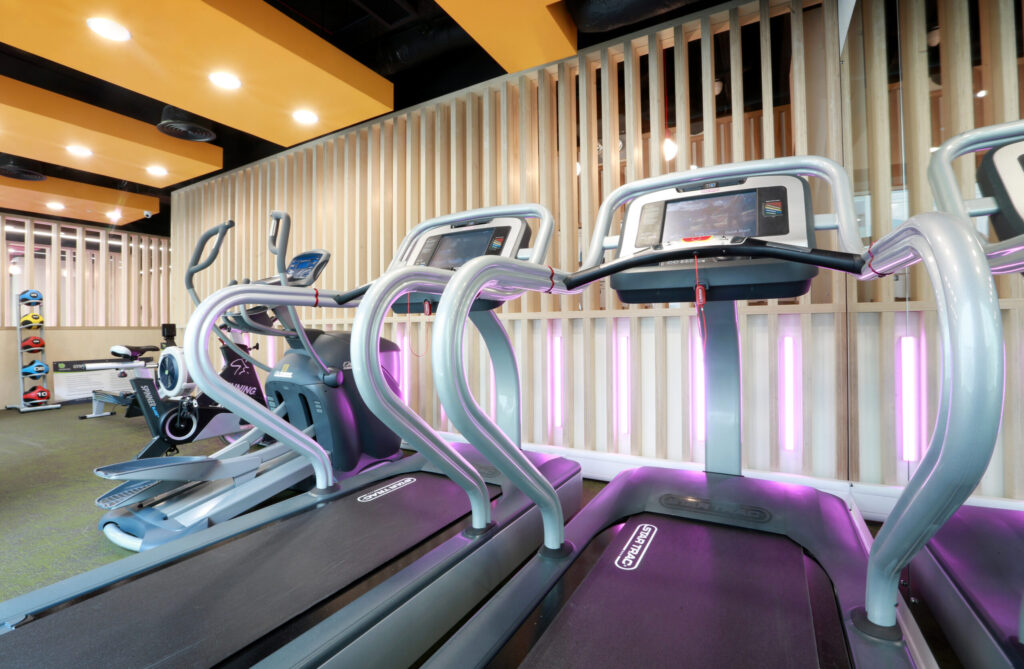
Make the most of your space
You don’t necessarily need a purpose-built gym. Unused classrooms, storage areas, sports spaces and other suitable areas can potentially be transformed into effective fitness facilities.The key is good planning.
A college or school gym might include cardio, strength, functional training, mobility and open training areas, depending on the school’s needs.
Professional 2D and 3D planning can help schools see exactly how a proposed facility will work before installation begins.
Choose equipment that lasts
School equipment gets used. A lot. That’s why commercial equipment, durability, servicing and whole-life cost should be considered alongside the initial purchase price. Before replacing everything, assess what you already have. Some equipment may be perfectly suitable with servicing or refurbishment, while other items may need replacing. A phased approach can also make a major refurbishment more manageable, allowing schools to prioritise the areas that will have the biggest impact.
Create a gym students want to use
The best school gym isn’t necessarily the one with the most equipment. It’s the one that gets used. Think beyond PE lessons. A modern fitness facility can support:
- Sports teams, strength and conditioning
- Lunchtime activities
- After-school clubs
- Fitness testing
- Personal fitness goals
- Well-being initiatives
- Curriculum learning
And not everything needs to be competitive. For some students, simply having an accessible space to exercise, learn new skills and build confidence can be hugely valuable.
Start with the vision
Creating a college or school gym is about more than buying equipment. It’s about understanding your students, your space and your objectives, then creating a facility around them. With the right design, an underused room can become a vibrant fitness environment that supports students today and adapts to the needs of tomorrow.
- Start with the space
- Understand the students
- design the gym around them
To discuss your next college or school gym design or refurbishment project, contact the motive8 team at info@m8group.co.uk or call 020 8481 9700.