
A repair quotation often starts a conversation about whether it is time for a new machine. Sometimes the cost of replacement is higher than the client expected. Other times, the question is why a part needs replacing when the equipment still works.
These are reasonable questions. Whether you manage a residential gym, hotel, school or commercial fitness facility, you need to know that money spent today is value-added and cost controlled. The answer comes from looking at the whole machine, its repair history and how it is used.
Age is only part of the picture
There is no fixed retirement age for gym equipment. Cardio machines may need closer review from around five years onwards, and strength equipment from around ten, but these are prompts to assess condition, not replacement deadlines.
We still maintain equipment that is 20 years old. Usage and the quality of gym maintenance make a considerable difference. A lightly used machine with a good service history can be a very different proposition from one working hard every day.
Before recommending further spending, we look at parts availability, previous failures and the condition of other components. Fixing one fault offers limited value if another essential part is already obsolete.
When a repair is worth doing
A targeted gym equipment repair can make sense when the machine is otherwise faultless, and the issue can be resolved at a reasonable cost. Suitable refurbished components can sometimes help reduce that cost.
One client had an eight-year-old commercial treadmill needing a running belt, deck, rollers, console overlay and drive belt. The initial parts and labour quotation was approximately £2,800 plus VAT.
With the client’s agreement, we used a suitable alternative running belt and rollers refurbished in-house, alongside manufacturer parts for the remaining items. The final cost was around £1,200 plus VAT.
Eighteen months later, that treadmill has had no further reported faults. We continue to service it regularly. That outcome does not mean every treadmill repair will deliver the same result, but it gave this client more time to plan for replacement.
What refurbishment involves
When several components need attention, it may be worth considering a more extensive refurbishment. The starting point is whether the machine has enough useful life remaining to justify the work.
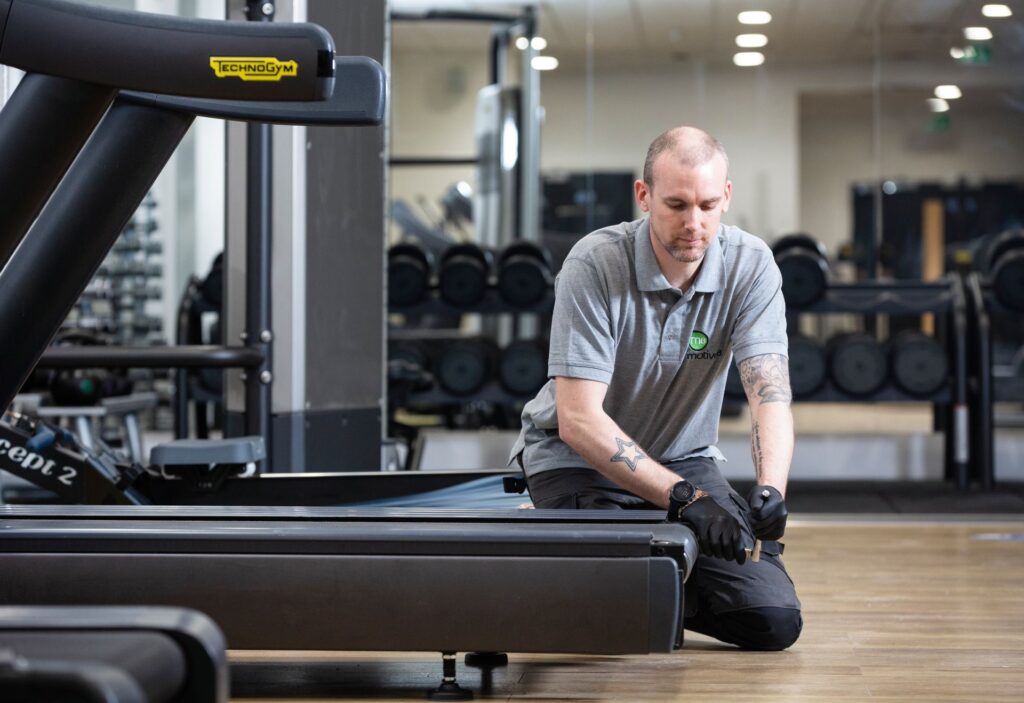
When we refurbish gym equipment, the work goes well beyond its appearance. Machines are stripped down in the workshop, inspected and serviced, with the scope depending on their condition. Our published refurbishment process includes calibration and testing against a 26-point checklist.
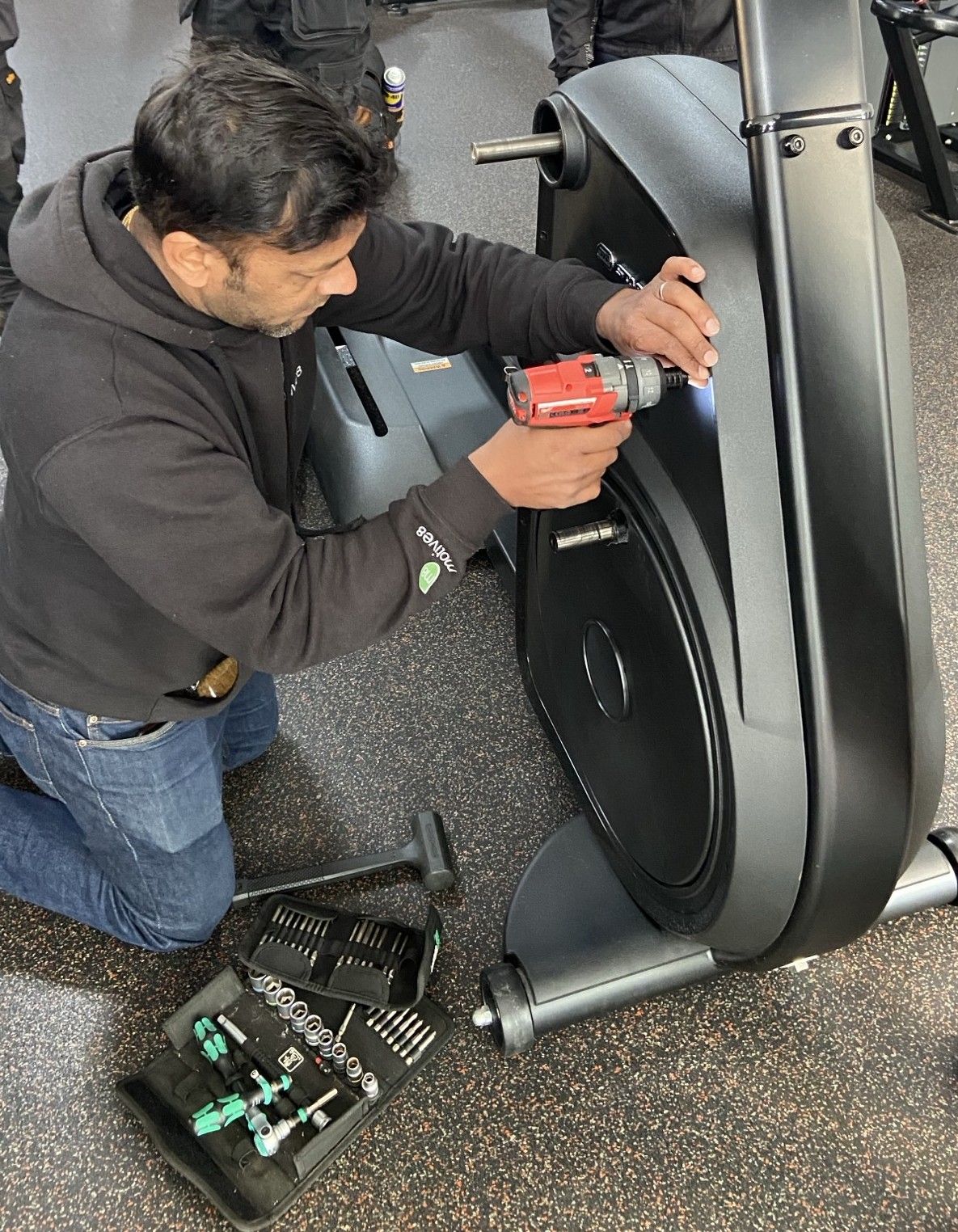
On strength equipment, work can include replacement cables, worn pulleys, upholstery, handles and weight selector pins. On bikes, it may involve pedals, straps, clutches and drive belts. Treadmills can require rollers, decks, running belts and drive components. Console overlays may also need attention.
Always query what is included and what warranty applies. Equipment sold as refurbished through motive8 carries a minimum 12-month warranty; used equipment is a separate category, advertised with three months’ parts and labour cover.
Knowing when to replace
Replacement becomes more sensible when different components keep failing, essential parts cannot be sourced, or repair spending is rising without restoring dependable service. The remaining useful life matters as much as the immediate quotation.
Downtime also counts. In a small gym, losing its only treadmill can have a noticeable impact on users. Repeated disruption can make replacement worthwhile even when another repair is technically possible.
New equipment can also better suit changing demand. Compare a like-for-like commercial specification, including delivery, installation and removal costs. Refurbished replacement equipment may be another option where budgets are limited. The aim is to choose equipment that suits the facility and can be supported moving forward.
There will come a point when replacement is the right investment. Repairing an older machine should give the client useful service for the money spent, rather than simply postpone an unavoidable decision for a few weeks. If parts support is uncertain, that needs to be part of the discussion before work is approved.
The cost of leaving wear unchecked
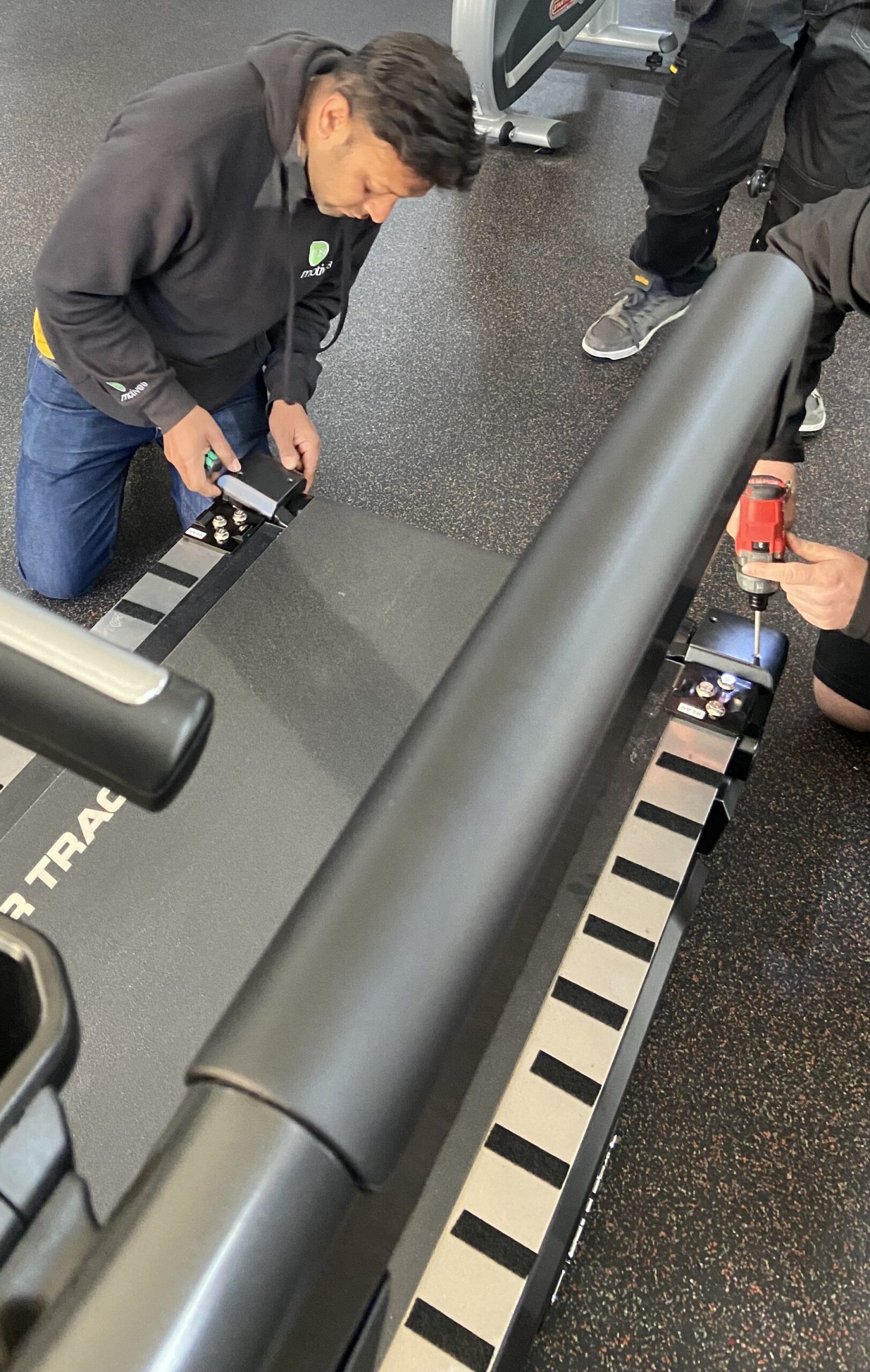
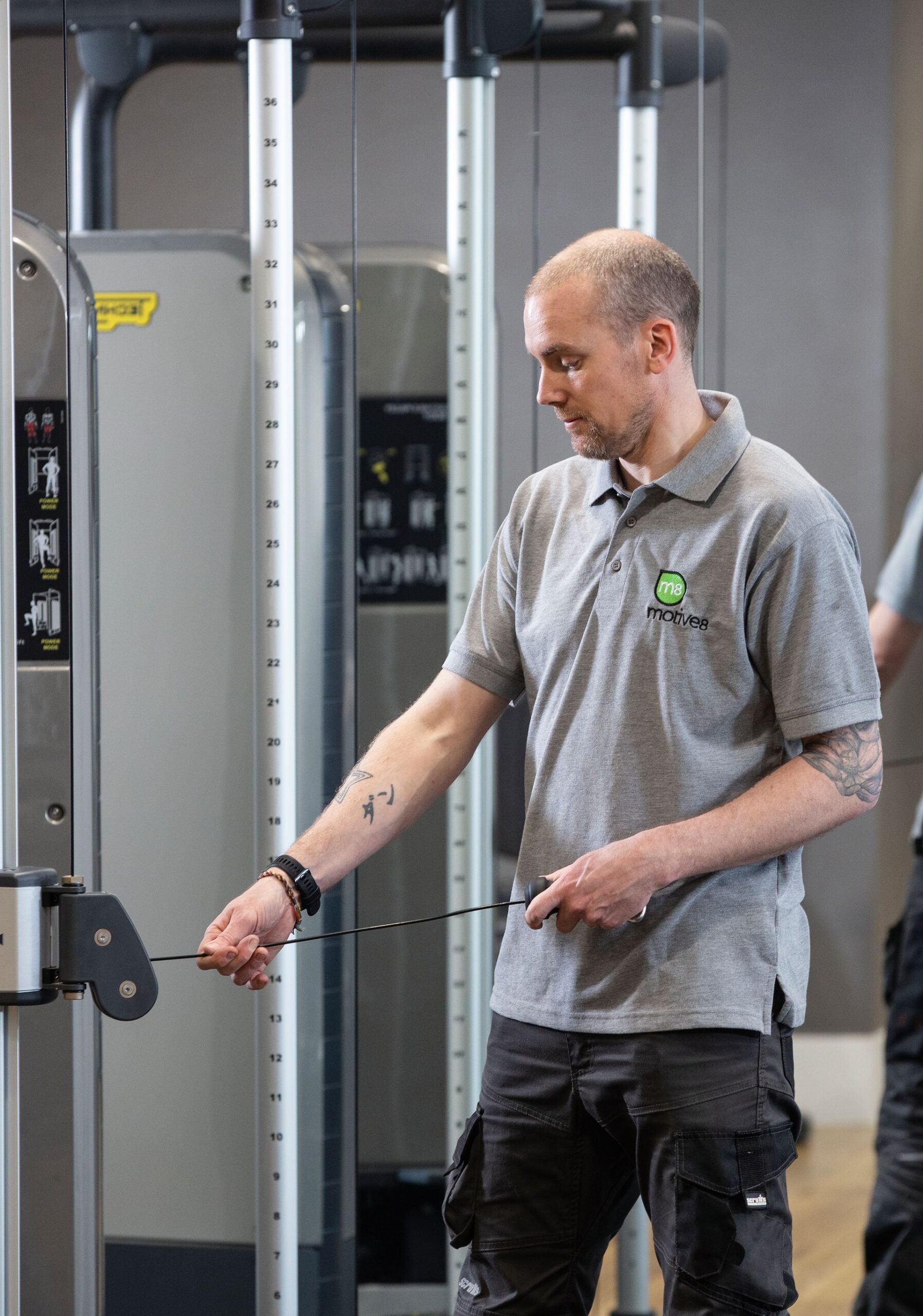
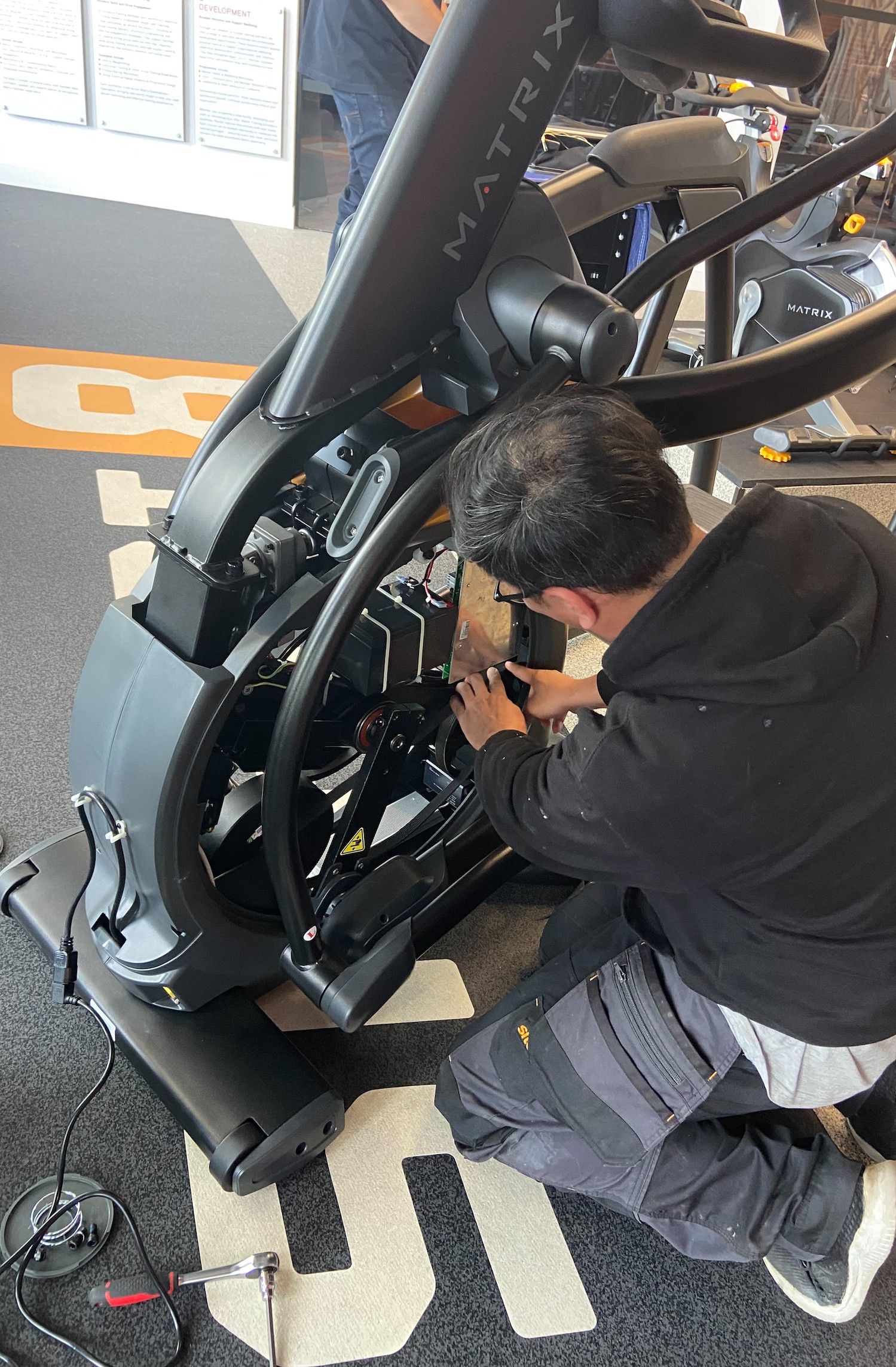
Our engineers regularly find wear that could develop into a much larger repair. A worn treadmill belt or deck can increase friction and load on the motor and motor controller, both expensive components. A belt tracking too far to one side can damage itself and surrounding covers.
On strength machines, fraying cables and worn pulleys need attention. A cable failure under load can cause sudden loss of resistance and injury. Worn or damaged selector pins also need assessment. Equipment suspected to be unsafe should be taken out of use until assessed and made safe.
Appearance matters too. Torn upholstery can make a serviced machine look neglected, while sweat entering the foam creates a hygiene concern. Regular checks by someone on site, following a gym maintenance checklist and manufacturer guidance, help identify changes between engineer visits.
Use service findings to plan your 2027 budget
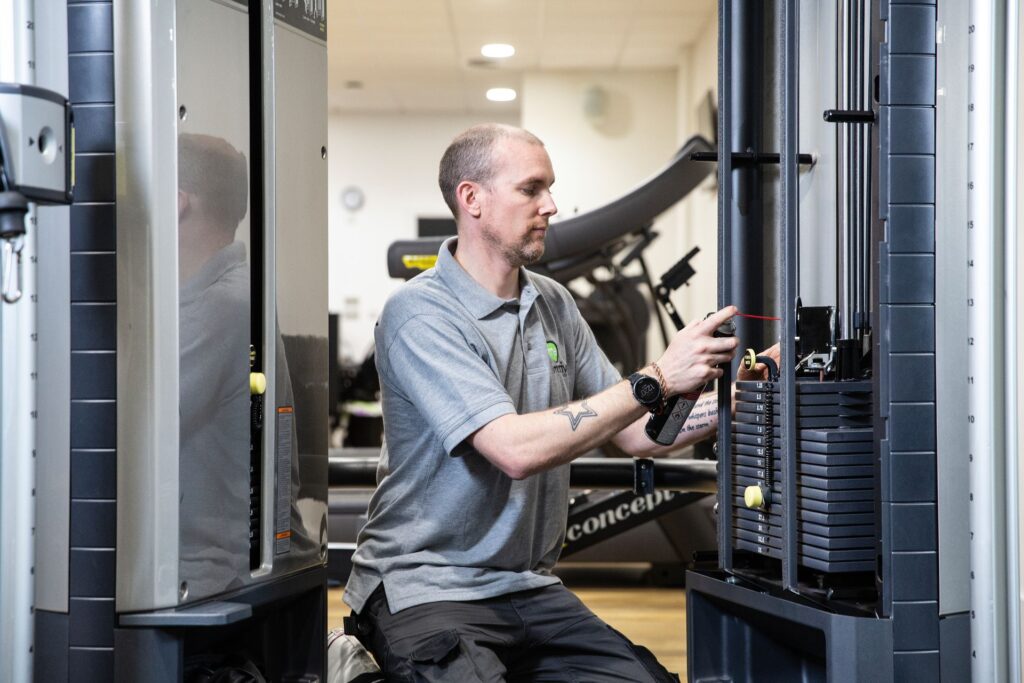
Our service visits are generally scheduled every three to six months, depending on usage and equipment requirements. Each machine has a report recording the checks completed, parts required and whether it can remain in use. Failed equipment is identified as out of order, with photographs included where possible.
Engineers also flag wear that is likely to become a safety issue, cause downtime or damage other parts before the next visit. Proactively keeping these reports with your gym maintenance log helps build a clearer picture of potential issues / costs and recurring faults.
A gym machine maintenance budget should also leave room for unexpected faults. Even well-maintained equipment can break down, and planned servicing cannot guarantee that every future failure will be identified.
For 2027, allow for routine commercial gym equipment servicing, identified repairs and likely replacements. Address urgent findings promptly and use the remaining information to plan expenditure.
At motive8, we can service your equipment, price repairs and discuss refurbishment, refurbished replacements or new machines. Having those options considered together helps you decide where to spend now and what to plan for next. To discuss your fitness and leisure maintenance requirements, contact the motive8 team at info@m8group.co.uk or call 020 8481 9700.