

Closing a swimming pool for the colder months requires much more than simply turning off the pump and throwing a cover over the water. As temperatures drop, water left in the system becomes a significant liability. Proper winterisation is a critical preventative measure that protects expensive infrastructure from severe weather, ensures water hygiene during the dormant period, and significantly reduces the time and cost required to reopen the pool in the spring.
Failing to correctly prepare a pool for winter exposes the facility to a multitude of risks. The most immediate threat is freezing water, which expands and can rupture pipework, crack pump housings, damage the pool shell, and destroy filter vessels. Beyond structural damage, neglected water chemistry can lead to severe algae growth, staining of the pool shell or liner, and a buildup of scale. Correcting these issues at the point of re-opening often requires draining the pool, undertaking costly repairs, and utilising heavy doses of restorative chemicals.
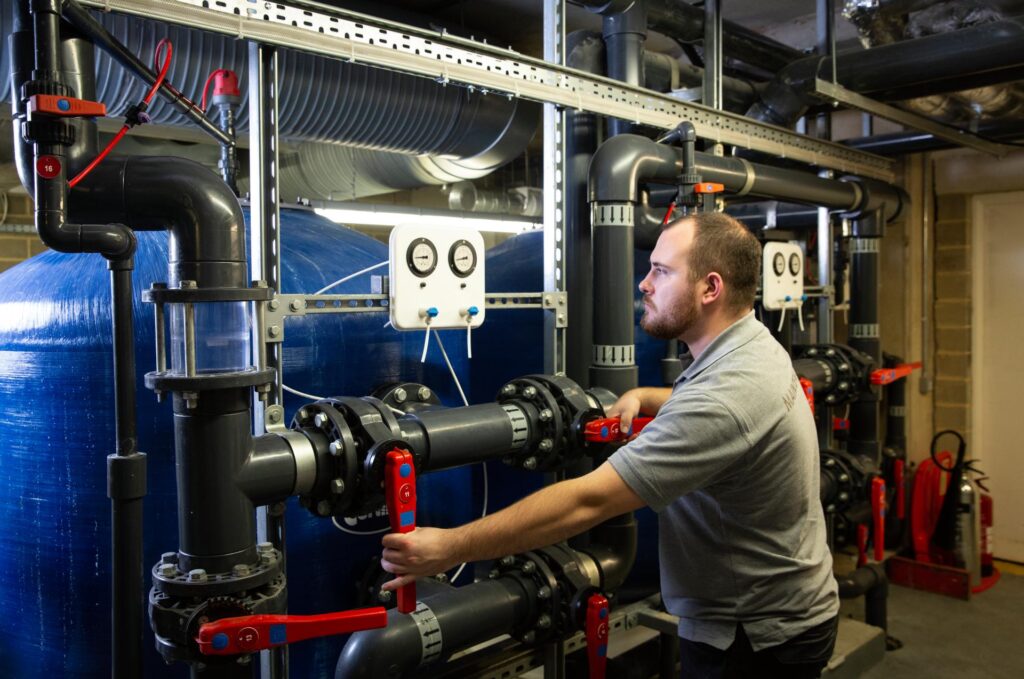
Technical considerations for winterisation
A comprehensive winterisation process addresses both the mechanical and chemical vulnerabilities of a pool system and should include:
1) Frost protection for pumps and pipework
Water expands by approximately 9% when it freezes. In the enclosed space of a pool’s circulation system, this expansion exerts immense pressure that standard PVC piping and equipment cannot withstand. Proper protection involves:
- Lowering the water level: water is typically dropped below the skimmer line to prevent ice from forming inside the skimmer throat and cracking the housing
Draining equipment: drain plugs must be removed from pumps, heaters, and filter tanks to ensure no residual water remains inside the units.
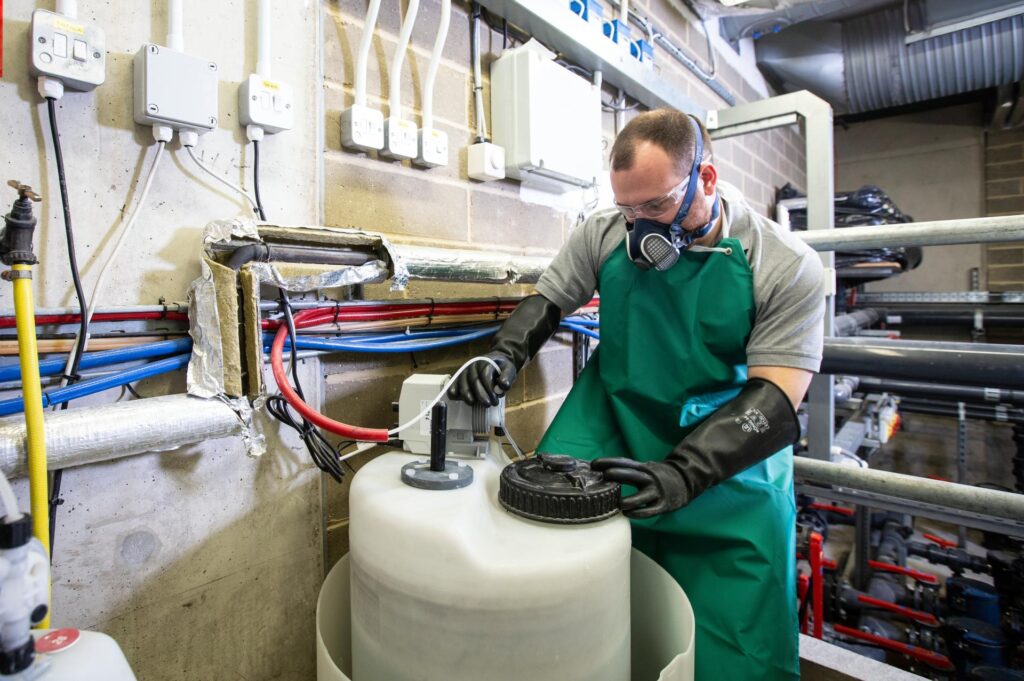
2) Chemical treatment and water balance
The pool’s chemistry must be perfectly balanced before it is closed. If pH, alkalinity, or calcium hardness levels are skewed, the water can become corrosive or scale-forming over the winter, permanently damaging the pool surface.
- Shock treatment: a high dose of chlorine or non-chlorine shock is applied to eliminate any existing bacteria or organic contaminants
- Winter algaecide: a long-lasting copper or polymer-based winter algaecide is added to inhibit algae growth over the several months the pool remains closed
- Phosphate removers: sometimes at the point of closing, phosphates may be tested and can be higher than preferred. Removing phosphates deprives algae of its primary food source, providing an extra safeguard against a “green pool” in the spring
3) Securing winter covers
A standard summer solar cover is insufficient for winter protection. A heavy-duty winter debris cover, properly tensioned and anchored to the surrounding deck, is essential.
- Debris prevention: it keeps leaves, twigs, and insects out of the water, preventing organic decay that consumes winter chemicals and stains the pool floor
- Light blocking: high-quality covers block UV light, which is necessary for algae photosynthesis
- Safety and integrity: a perfectly secured cover acts as a safety barrier and is designed to handle the weight of winter precipitation without tearing or collapsing into the pool
More modern installations make use of an automated vinyl safety cover, eliminating the requirement of a winter cover.
Why closed pools still require maintenance
A winterised pool is dormant, not maintenance-free. Environmental factors continue to interact with the pool throughout the off-season, necessitating periodic checks.
Heavy winter rainfall and melting snow can raise the water level back into the skimmer or above the tile line, reintroducing the risk of frost damage. Excess water must occasionally be pumped off the top of the cover or drained from the pool to maintain the correct winter level.
Additionally, severe winds can loosen cover anchors, allowing debris and sunlight to enter. If the winter is unseasonably mild, which we have seen so far this year, the specialised winter chemicals may deplete faster than anticipated, requiring a mid-winter top-up of algaecide or chlorine to prevent early spring algae growth
The professional advantage
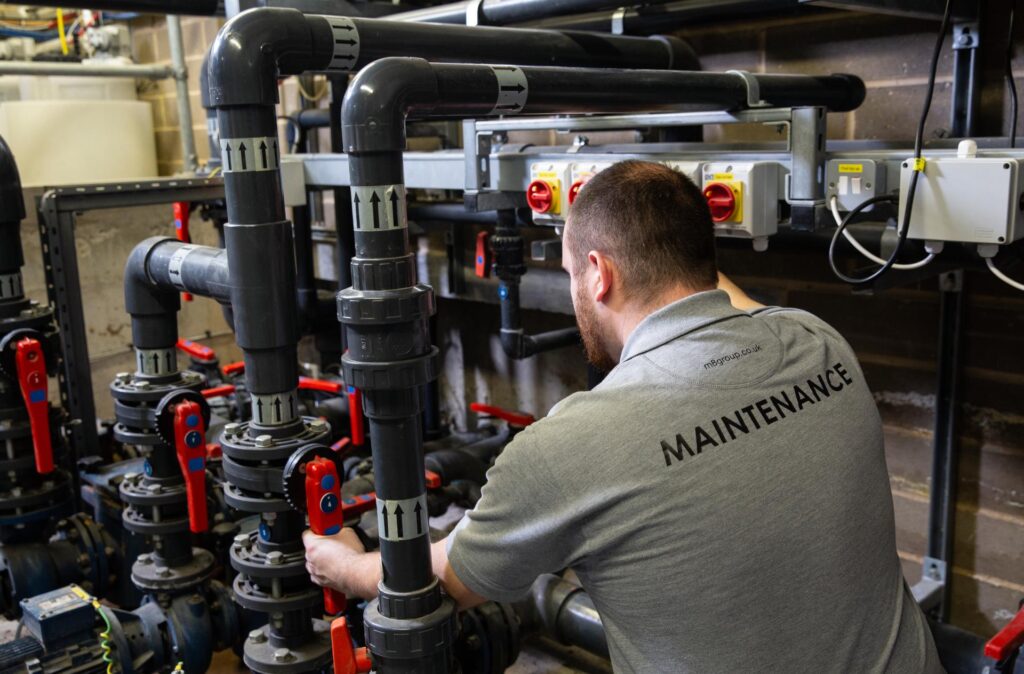
Engaging professional pool engineers for winterisation and ongoing servicing ensures that the technical complexities of the shutdown process are handled flawlessly. Professionals possess the specialised equipment required and accurately dose long-lasting winter chemicals.
Transitioning from a reactive approach to an ongoing professional servicing contract guarantees that the pool is monitored even during the closed months. Engineers can perform periodic winter checks to adjust water levels, secure covers, and test water chemistry, ensuring the asset remains fully protected. Ultimately, professional winterisation provides peace of mind, mitigates the risk of thousands of pounds in frost damage, and guarantees a seamless, cost-effective reopening when the warm weather returns.
To discuss your fitness and leisure maintenance requirements, contact the motive8 team at info@m8group.co.uk or call 020 8481 9700.