Whether you manage a residential gym, private fitness suite or commercial leisure facility, maintaining a safe environment is about much more than keeping equipment in good condition.
A well-managed gym protects users, supports staff and helps operators meet their responsibilities under UK health and safety legislation.
Understanding gym health and safety regulations doesn’t need to be complicated. By putting consistent processes in place and reviewing them regularly, operators can reduce risks and create a better experience for everyone using the facility.
This practical checklist outlines seven key areas every operator should consider. While every site is different, these essentials provide a solid foundation for meeting the duties placed on operators by the Health and Safety at Work Act 1974, the Management of Health and Safety at Work Regulations, COSHH, the Fire Safety Order and First Aid Regulations.
1. Carry out regular equipment inspections
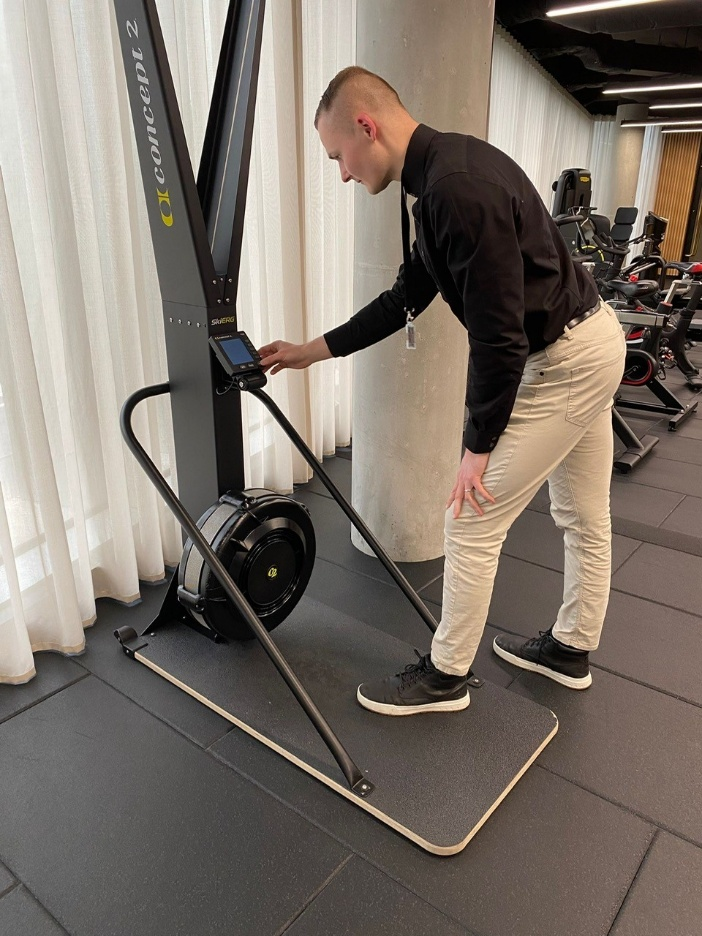
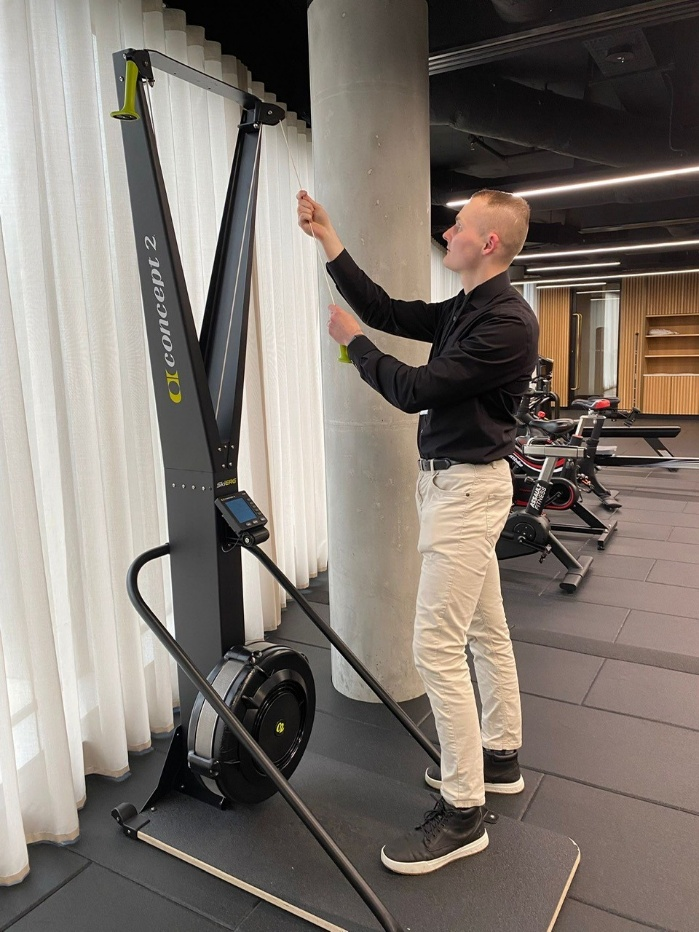
Gym equipment is subjected to constant use, making regular inspections essential for both safety and longevity. Daily visual checks can help identify obvious signs of wear, while more detailed weekly or monthly inspections allow operators to monitor the condition of individual machines. Any faults should be recorded and equipment taken out of service until repairs have been completed.
Keeping accurate maintenance records is just as important as carrying out the inspections themselves. A documented inspection history demonstrates that equipment has been regularly monitored and maintained, should an incident ever occur. Alongside in-house inspections, equipment should also be serviced by competent, certified engineers in line with manufacturer recommendations.
2. Maintain cleaning schedules
Maintaining a clean gym is an important part of creating a safe and welcoming environment. Regular cleaning encourages members to respect shared spaces, helps maintain high hygiene standards and reduces hazards such as slippery floors or cluttered walkways. Cleaning schedules should clearly set out:
- Areas to be cleaned
- Cleaning frequency
- Responsible staff
- Products to be used
- Completion records
Where cleaning chemicals are used, operators should ensure they are stored, handled and used in accordance with COSHH requirements. Attention should be paid to high-contact surfaces, free weights, cardiovascular equipment and changing facilities. Cleaning products suitable for fitness equipment should always be used to avoid damaging electronic displays or moving parts.
3. Review emergency procedures
No matter how well a gym is managed, emergencies can happen. Every facility should have clear procedures covering incidents such as medical emergencies, fire evacuations and equipment failures. Users need to know how to summon assistance, while staff should understand their responsibilities during an incident. This is particularly important in residential or partially unmanned gyms, where emergency support arrangements may vary depending on the time of day.
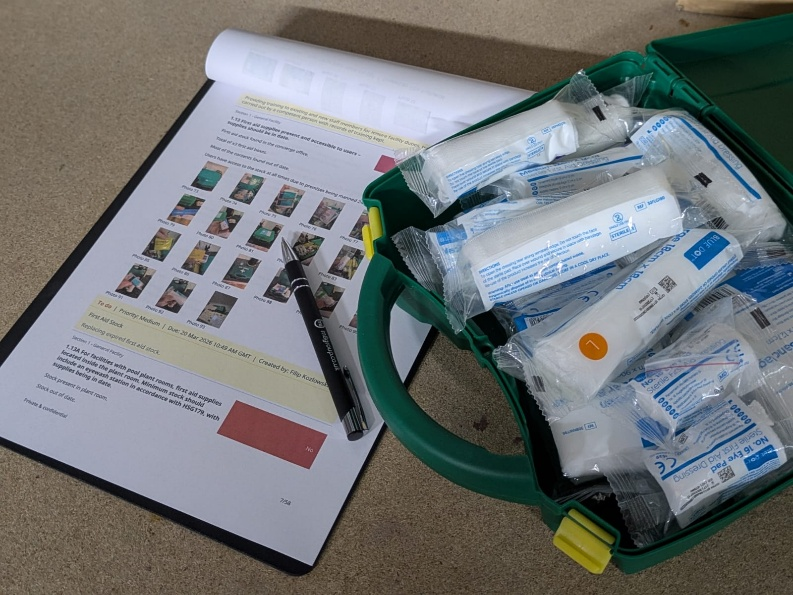
Facilities should also ensure that appropriate first aid arrangements are in place. Where required, trained personnel should be available, and first aid equipment should remain easily accessible. Emergency procedures should align with your site’s Standard Operating Procedures (SOPs) and comply with first-aid regulations. Regular reviews ensure procedures remain effective as staffing, building layouts or operating hours change.
4. Make safety signage easy to understand
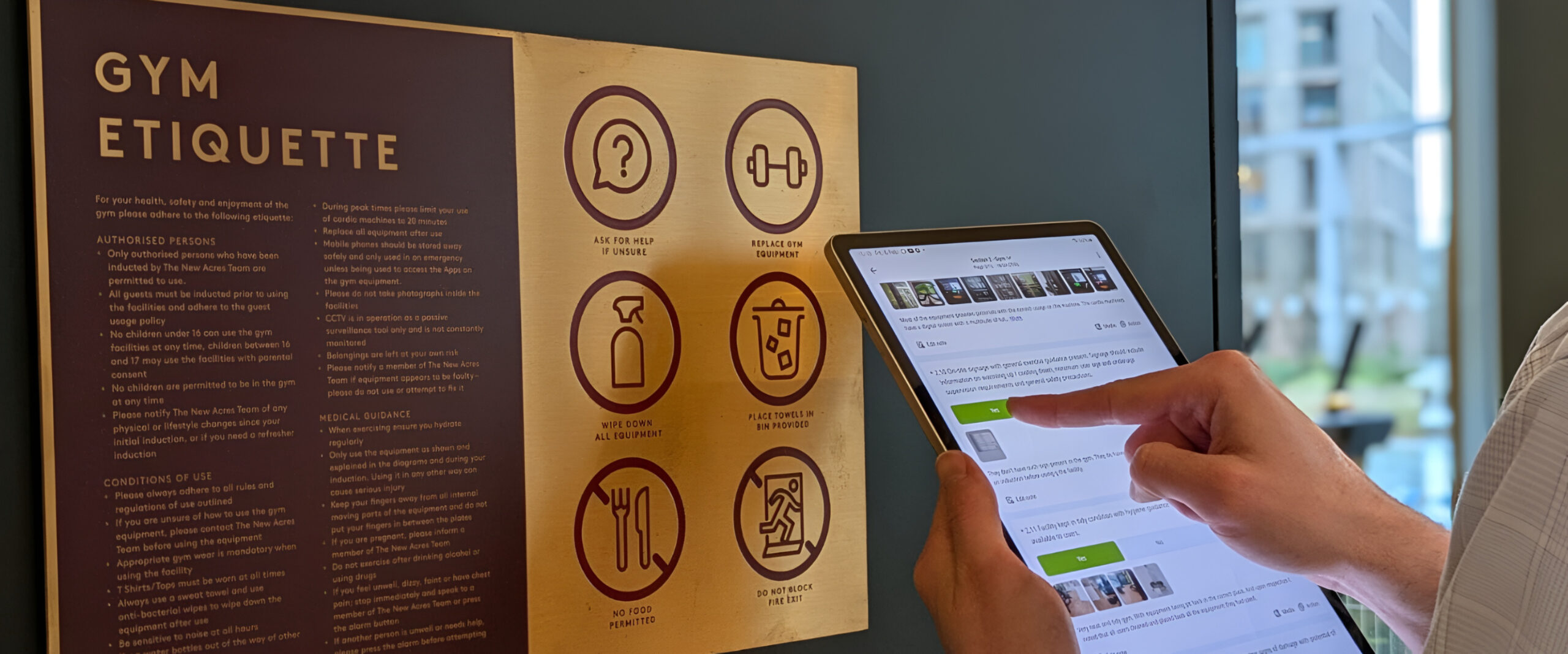
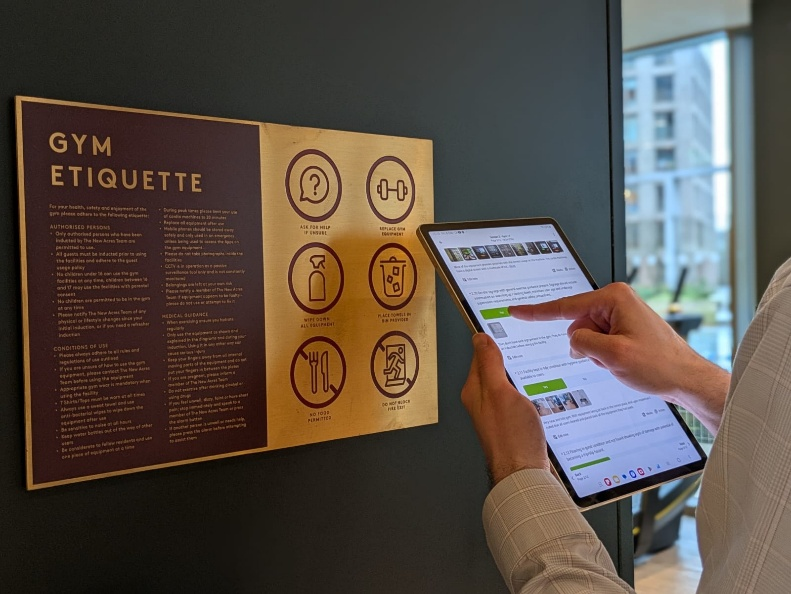
Good signage reinforces safe behaviour and provides users with important information when they need it most. Signage should be positioned in prominent locations throughout the facility and may include:
- General exercise guidance such as warm up and cool-down
- Emergency contact information
- Fire evacuation instructions
- Facility opening hours
- Hygiene guidance
- Equipment usage advice
- Rules regarding guests and personal trainers
Clear signage also supports compliance with wider gym health and safety rules, helping users understand their responsibilities while reducing the likelihood of avoidable incidents.
Where applicable, facilities should also display information relating to fire safety rules for gym businesses, ensuring evacuation routes and emergency exits remain clearly marked.
5. Clearly define staff responsibilities
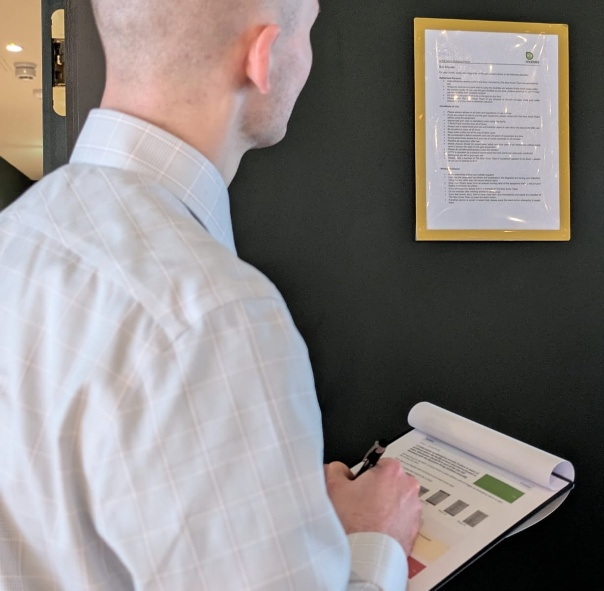
Health and safety should never rely on assumptions. Everyone responsible for managing the facility should understand exactly what is expected of them, whether that’s completing equipment inspections, monitoring cleaning standards or responding to incidents.
These responsibilities should be documented within operational procedures and supported through staff induction and regular supervision. Clearly defined roles help ensure routine tasks aren’t overlooked while promoting consistency across day-to-day operations.
6. Invest in ongoing staff training
Well-trained staff are one of the strongest safeguards against accidents and compliance issues.
Training should cover the practical responsibilities associated with operating the facility safely, including emergency procedures, equipment inspections, accident reporting and cleaning processes. Refresher training is equally important, particularly when procedures change or new equipment is introduced.
Maintaining accurate training records provides evidence that staff have received appropriate instruction and helps demonstrate compliance should external audits or investigations take place.
7. Review your insurance arrangements
Insurance should form part of your wider risk management approach. While providers will have different requirements, it’s good practice to review your policy regularly to ensure your leisure facilities are appropriately covered and that any conditions attached to the policy continue to be met.
Maintaining robust health and safety procedures alongside regularly reviewed risk assessments can also support wider risk management.
A common compliance mistake: missing documentation
One of the most common issues across leisure facilities isn’t necessarily failing to complete health and safety tasks – it’s failing to record them. Without documentation, it becomes difficult to demonstrate that inspections, cleaning, maintenance or staff training have actually taken place. Common examples include:
- Missing equipment inspection records
- Incomplete cleaning logs
- Undocumented staff training
- Missing maintenance reports
- Unrecorded incidents
If an incident results in an investigation or insurance claim, incomplete records can make it difficult to demonstrate that appropriate health and safety procedures were followed.
Documentation should be viewed as an essential part of everyday operations rather than an administrative afterthought.
Creating a safer gym environment
Consistently reviewing these seven areas provides a strong foundation for safer operations.
In addition to these essential health and safety checks, operators should also monitor wider environmental considerations, including ventilation, heating and temperature control, to ensure the facility remains comfortable for users and aligns with relevant gym temperature regulations.
Maintaining a safe gym requires consistent processes, regular reviews, clear documentation and trained staff. These measures can help operators reduce risk, support compliance and provide a safer environment for users.
Need support keeping your leisure facility compliant?
Keeping on top of gym health and safety requirements can be challenging, particularly across busy residential developments and leisure facilities. At motive8, our compliance specialists help operators improve day-to-day safety through practical inspections, documentation, operational support and tailored compliance guidance.
To find out how we can support your leisure facility, contact the motive8 team on 020 8481 9700 or email info@m8group.co.uk