Whether you operate a residential swimming pool, commercial leisure facility or hotel pool, maintaining a safe environment requires far more than keeping the water looking clear.
Behind every well-managed pool lies a structured programme of water testing, plant room monitoring, facility inspections and operational record keeping. Together, these processes help protect users, maintain compliance and reduce the risk of accidents or waterborne illnesses.
While modern pool technology has automated many aspects of pool management, effective health and safety still depends on routine checks, staff oversight and a proactive approach to risk management.
This practical guide outlines the key health and safety checks every swimming pool operator should consider as part of their daily operation.
1. Monitor water quality and chemistry
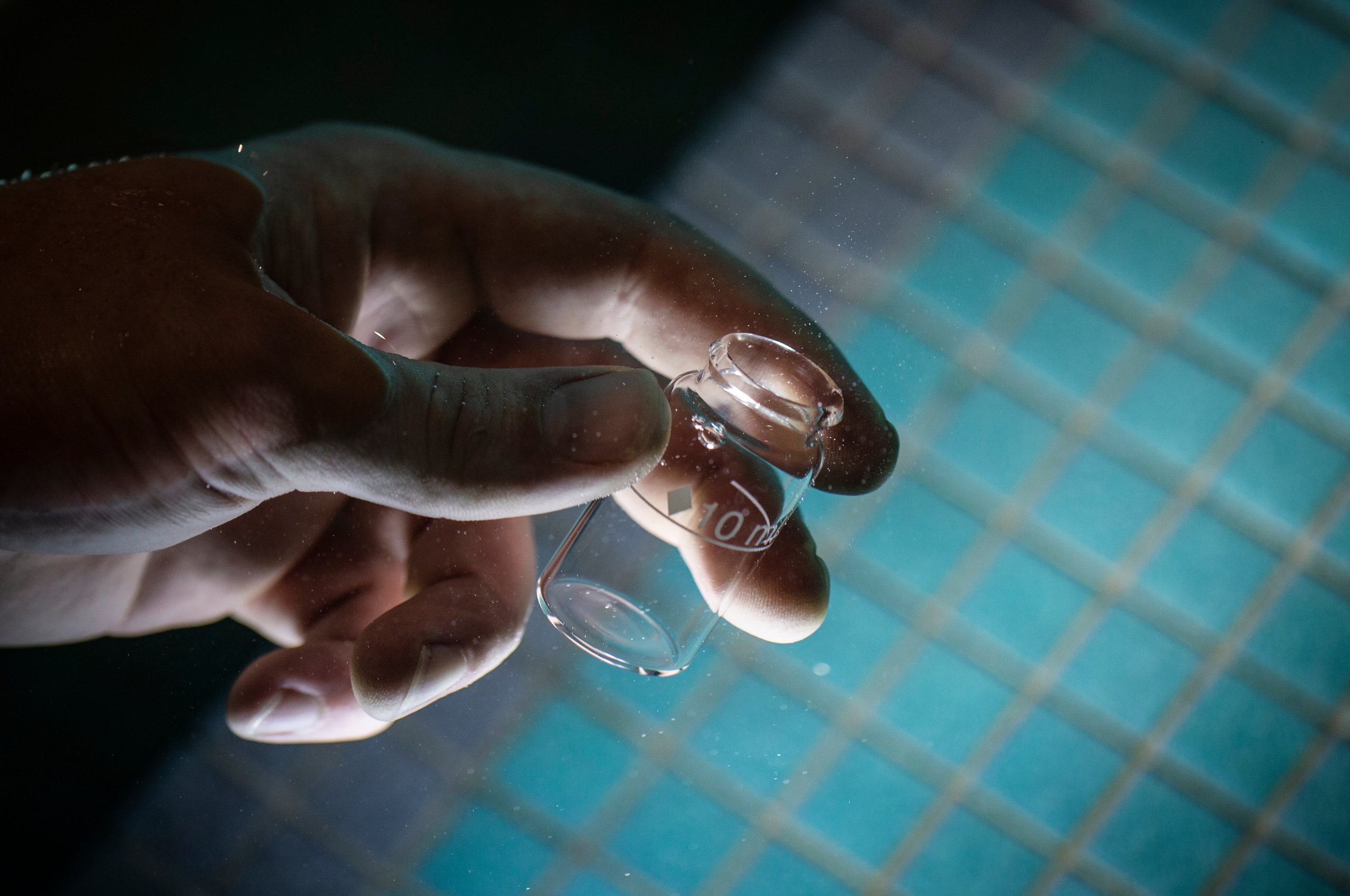
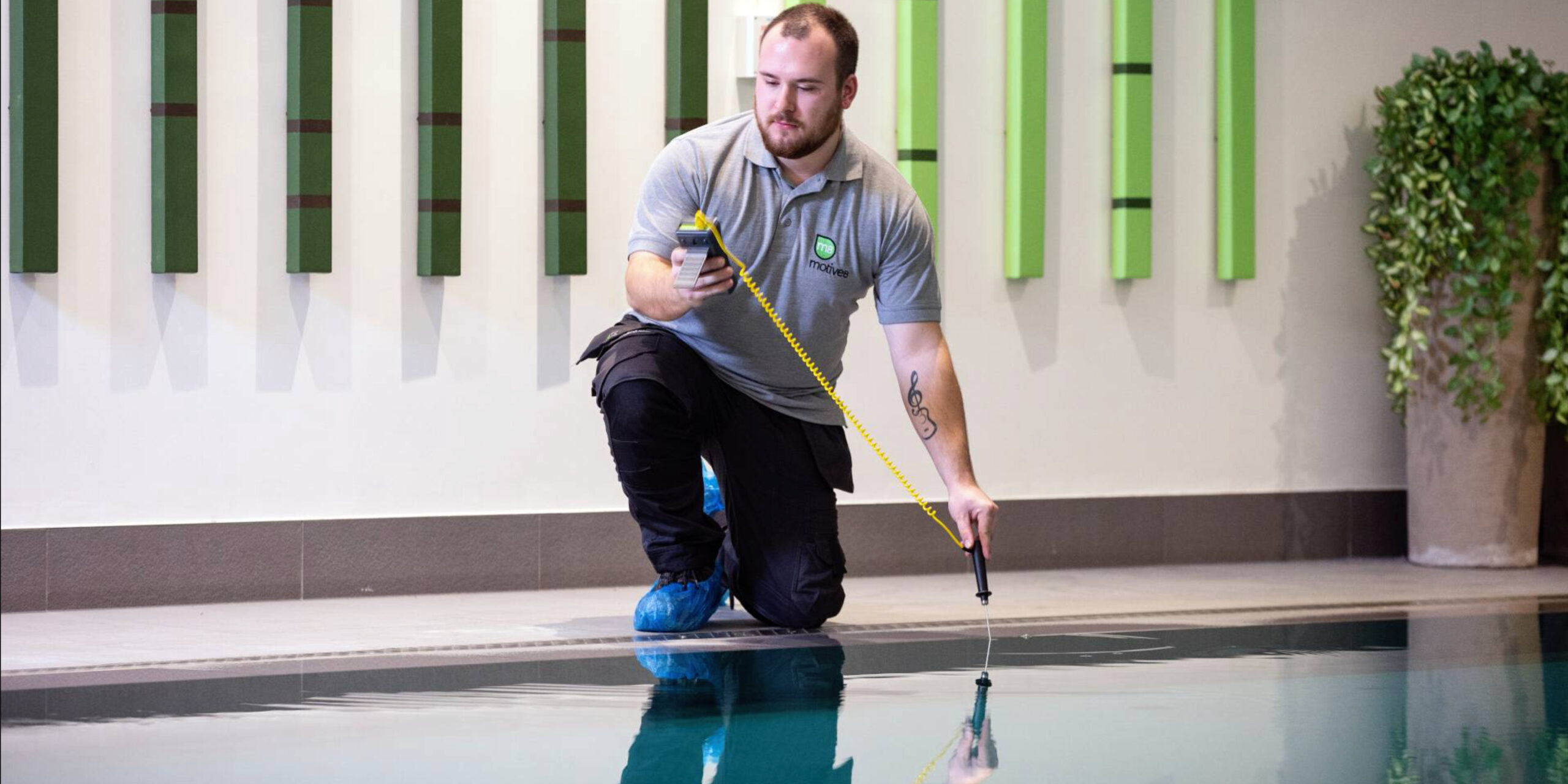
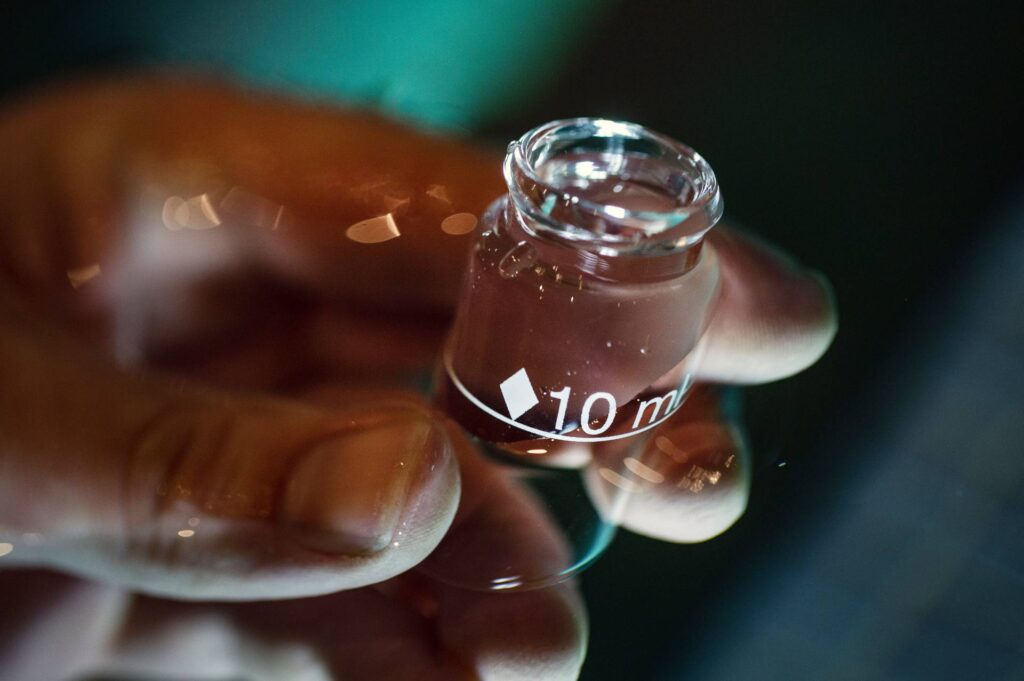
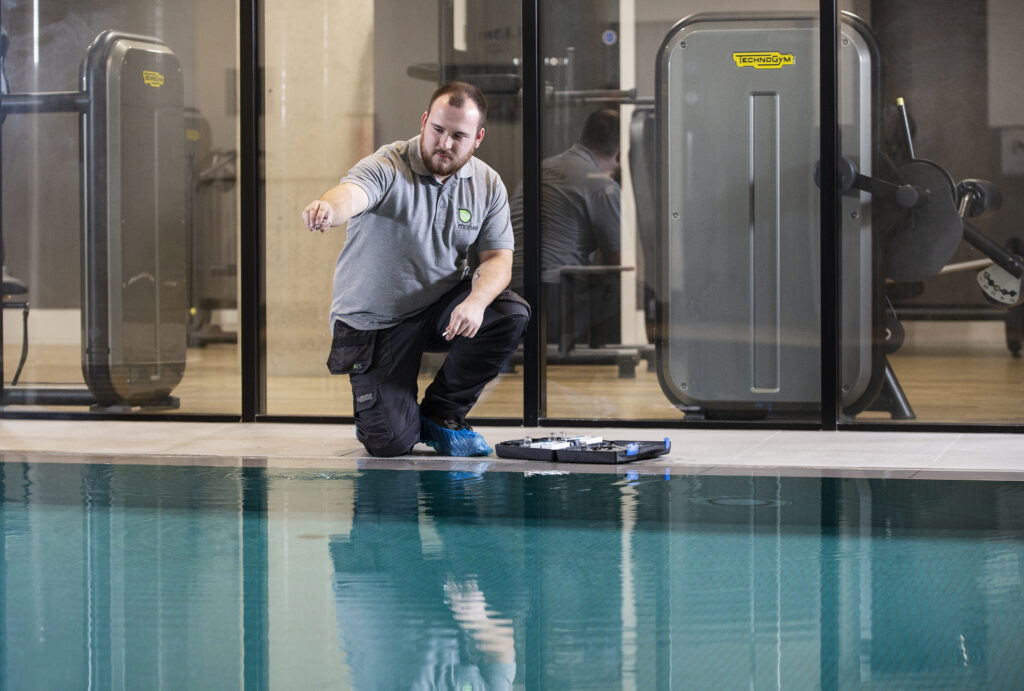
Water quality remains the single most important aspect of swimming pool safety. Although modern dosing systems continuously monitor and adjust chemical levels, automated systems should never replace manual testing. Operators should conduct manual water tests using professional photometers throughout the day, typically every four hours for swimming pools and every two hours for spa pools. These tests help ensure:
- pH levels remain within the recommended range (typically between 7.2 and 7.4) to maximize the efficacy of the disinfectant while remaining comfortable for bathers’ eyes and skin
- Free chlorine contains enough active sanitiser to neutralise harmful pathogens
- Combined chlorine is managing chloramine levels – the byproducts responsible for the strong “chlorine smell” and red eyes
Alongside chemical testing, operators should perform a visual assessment of water clarity. If the pool floor, drain covers or markings at the deepest point cannot be clearly seen, the pool should not remain open to bathers until the issue has been investigated and resolved.
2. Conduct daily plant room inspections
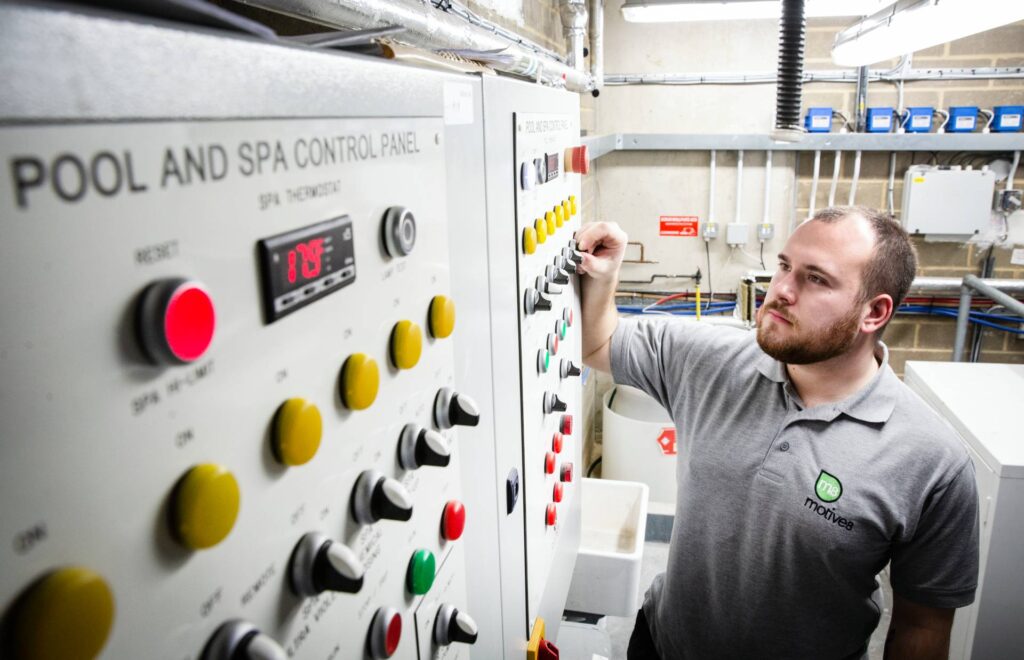
The plant room is the control centre of any swimming pool facility. Daily visual inspections are non-negotiable and allow operators to identify potential issues before they develop into major failures or compromise water quality. Key inspections should include:
- Checking the system for visible leaks and signs of water loss
- Listening for unusual noises or vibrations from circulation pumps
- Confirming ventilation systems are functioning correctly
- Reviewing filtration and the pressure gauges on the sand filters so operators know exactly when a backwash is required to remove trapped debris
- Ensuring the chemical day tanks dosing system has enough product to draw from, preventing a dangerous drop in sanitiser levels during operating hours
A well-maintained plant room not only supports safe water conditions but also helps maximise equipment lifespan and prevent costly downtime.
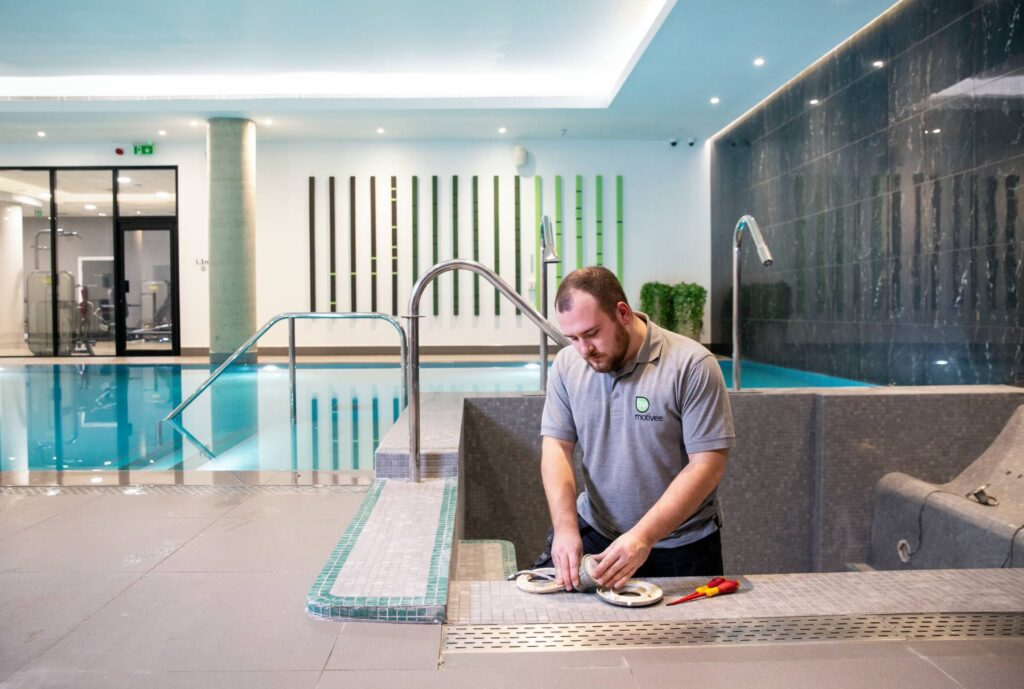
3. Inspect the physical pool environment
Pool safety extends beyond the water itself. The surrounding facility should be inspected daily to identify hazards that may present a risk to users and staff. Routine walk-through inspections help operators identify issues before accidents occur. Areas to review include:
- Pool surrounding especially slippery walkways
- Cracked tiling and flooring
- Drainage channels and gratings
- Handrails and ladders
- Changing facilities
Particular attention should be paid to slip hazards caused by standing water and any damaged surfaces that could lead to trips or injuries. Promptly reporting and rectifying defects helps maintain a safer environment for all users.
4. Check lifesaving and emergency equipment
Emergency equipment should always be readily available, clearly visible and fully operational. Operators should inspect all lifesaving and first aid equipment daily, ensuring equipment remains in its designated location and is ready for immediate use if required. This may include:
- Rescue poles
- Throw ropes
- Spine boards
- First aid kits
- Emergency alarms
- Communication systems
Any ropes, straps or securing mechanisms should be checked to ensure they remain untangled and in good condition.
Emergency communication systems linking the pool deck with reception, building management systems or emergency services should also be tested regularly, with records maintained to demonstrate compliance.
5. Maintain clear safety signage
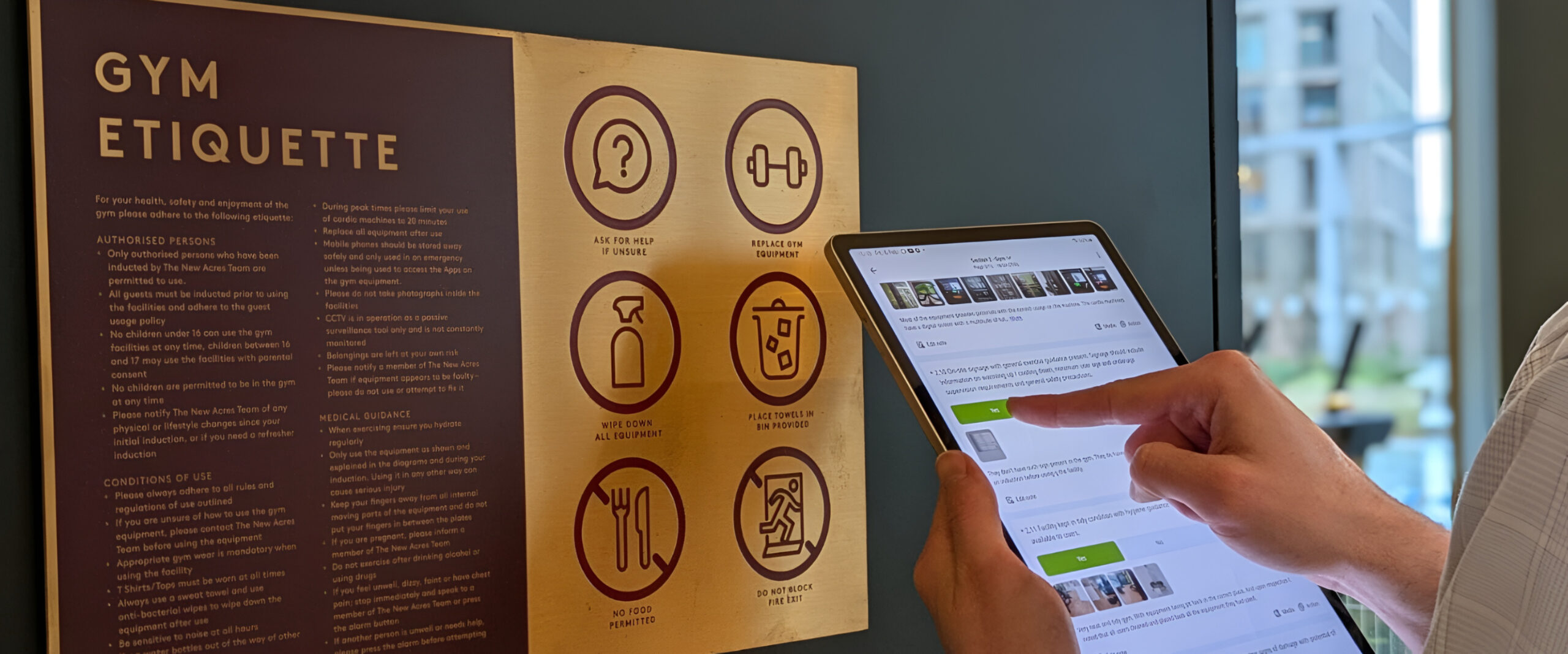
Good signage plays an important role in reinforcing safe behaviour and supporting emergency procedures. Operators should regularly check that all signage remains highly visible, accurate, up to date, unobstructed and in good condition. Important signage may include:
- Pool rules
- Depth markers
- Emergency exits
- Fire evacuation information
- No-diving notices
- Emergency contact information
Clear signage helps users understand their responsibilities while supporting the safe operation of the facility.
6. Promote good bather hygiene
Maintaining water quality is a shared responsibility between operators and pool users. The human body introduces a massive organic load to the water including, but not limited to, sweat, dead skin cells, deodorants, hair products, and other cosmetics. When these organics react with chlorine, they form chloramines, which rapidly deplete the pool’s sanitising power and degrade water quality. Educating users on their role is a vital safety measure and encouraging good bather hygiene can significantly improve water quality and reduce chemical demand. Operators should actively promote:
- Showering before entering the pool – a quick, soapy shower before entering the water removes most of these contaminants, taking an immense amount of strain off the filtration and dosing systems
- Avoiding the pool if suffering from a stomach illness
- Good personal hygiene practices
- Regular toilet breaks for younger swimmers
7. Keep accurate records
In the world of facility management, there is a common saying: “If it isn’t written down, it didn’t happen.” Conducting thorough safety checks is only half the job – logging them is the other.
Accurate, up-to-date logbooks are a legal and operational necessity. Every manual water test, backwash cycle, equipment inspection, and incident must be recorded. These logs not only prove compliance with local health regulations in the event of an inspection or an incident, but they also provide operators with valuable information and give an insight into trends. A slow but steady rise in combined chlorine or filter pressure over a week can alert an operator to a developing issue before it forces a pool closure, and in most cases can be identified quicker if a detailed record is kept available.
Creating a safer swimming pool environment
Keeping a swimming pool safe is a multifaceted operation that requires diligence, routine, and a proactive mindset. By rigorously monitoring water chemistry, maintaining the plant room, securing the physical deck, and educating users on bather hygiene, operators can prevent accidents and waterborne illnesses.
Ultimately, a safe pool is the result of commitment to daily checks and standard operating procedures, ensuring that every user’s visit is as safe as it is enjoyable.
Need support managing your leisure facility?
At motive8, we understand that successful pool operations depend on more than just clear water. Through professional management, maintenance and operational support services, we help operators maintain safe, compliant and welcoming pool facilities for residents, members and guests.
Contact the motive8 team on 020 8481 9700 or email info@m8group.co.uk to find out how we can support your facility’s maintenance, compliance and operational requirements.